Functional Resume Format: Free Templates & Guide
The functional resume format emphasizes your skills and abilities rather than your work history. It's ideal for career changers, recent graduates, or those with employment gaps.

What is a Functional Resume Format?
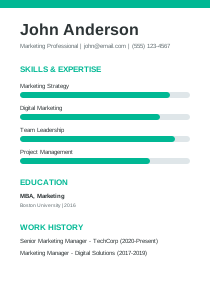
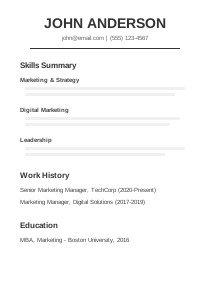
A functional resume format (also called skills-based resume) organizes your resume around your skills and abilities rather than chronological work history. This format allows you to highlight relevant qualifications even if your work experience doesn't directly match the job requirements.
The structure typically includes:
- Contact information
- Professional summary
- Skills section (grouped by category)
- Work experience (brief, without detailed descriptions)
- Education section
When to Use a Functional Resume Format
The functional format is best suited for:
- ✓Career changers: You're switching industries or career paths
- ✓Employment gaps: You have significant gaps in your work history
- ✓Recent graduates: You have limited work experience but strong skills
- ✓Frequent job changes: You want to de-emphasize job-hopping
Pros and Cons of Functional Format
Pros
- ✓Highlights skills over work history
- ✓De-emphasizes employment gaps
- ✓Good for career changers
- ✓Focuses on transferable skills
Cons
- ✗Less familiar to employers
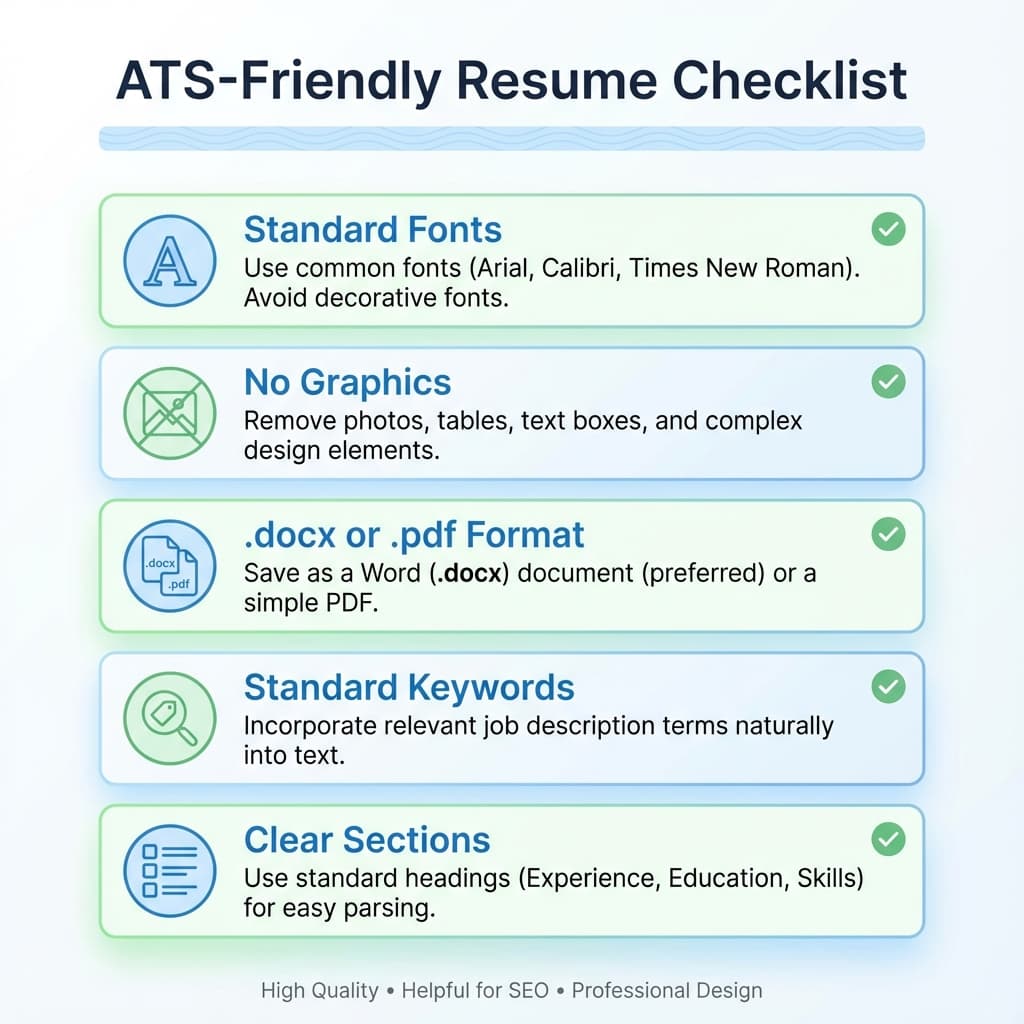
- ✗Some ATS systems struggle with this format
- ✗Employers may suspect you're hiding something
- ✗Harder to show career progression
How to Write a Functional Resume
Step 1: Header with Contact Information
Include your name, phone, email, and LinkedIn profile.
Step 2: Professional Summary
Write a compelling summary that highlights your key skills and career objectives. This is crucial for functional resumes.
Step 3: Skills Section (Grouped by Category)
Organize your skills into relevant categories such as:
- Technical Skills
- Leadership & Management
- Communication Skills
- Project Management
Under each category, list 3-5 bullet points describing your achievements and abilities.
Step 4: Work Experience Section
List your jobs briefly (company, title, dates) without detailed descriptions. The focus should be on your skills section above.
Step 5: Education Section
Include your educational background with degrees and institutions.
Download Free Functional Resume Templates
Get started with our professionally designed functional resume templates.